
The Cold Snap, The Human Grid & Why Regeneration is Our Best Survival Strategy

The recent brutal cold snap served as a visceral reminder of our collective vulnerability. Across the country, extreme weather turned everyday life into a literal struggle for survival, exposing a harsh truth: our centralized public infrastructure—energy and water—is dangerously unprepared for this “new normal.”
Power grids buckled and pipes burst, leaving neighborhoods in the dark without running water. These aren’t just accidents; they are symptoms of brittle, underfunded systems failing under the pressure of a changing climate.
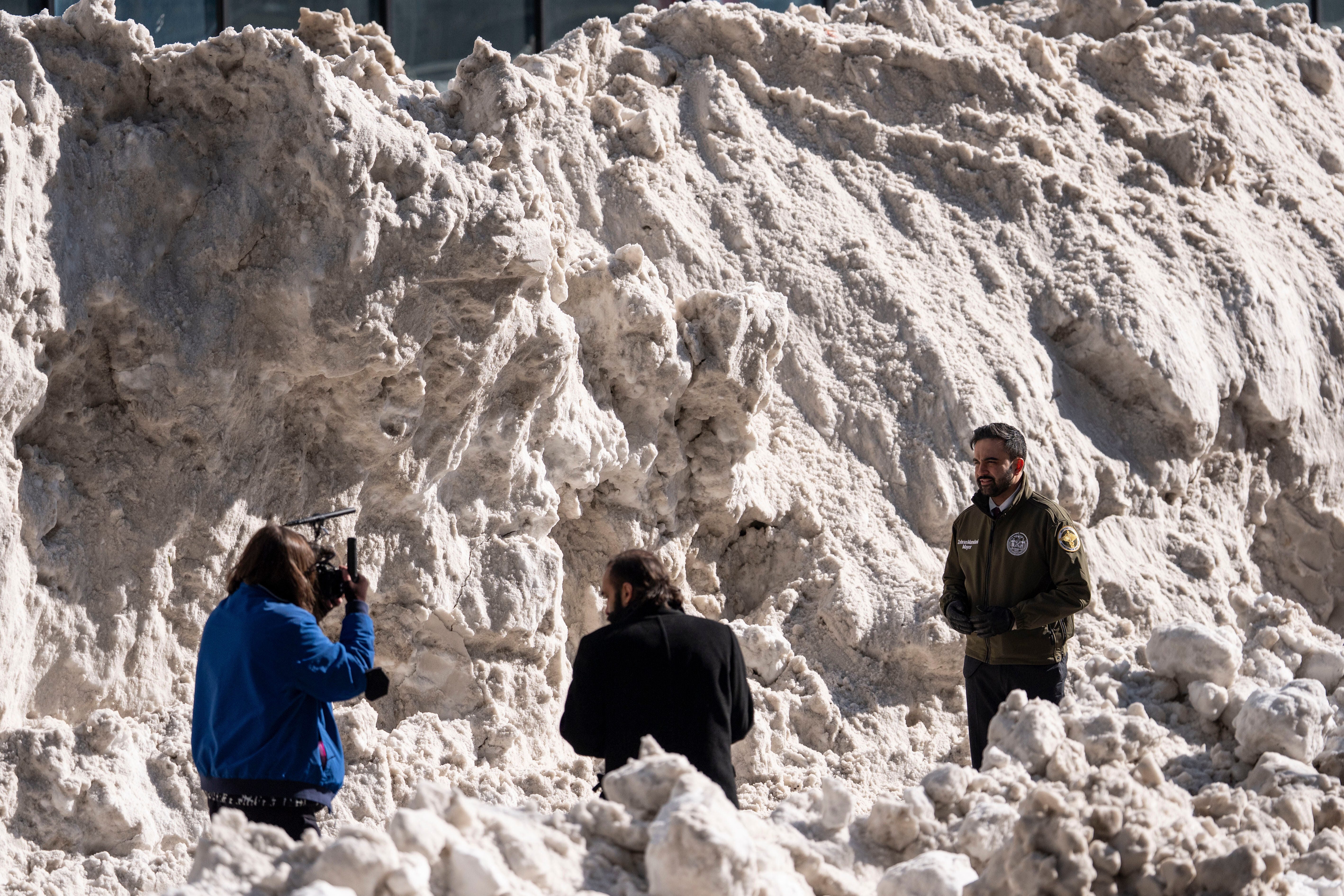
Photo Credit: via ap
From Resilience to Regeneration
Resilience is the ability to survive a shock, but regeneration goes further. It is the process of building systems inherently capable of renewal, transforming every crisis into a catalyst for a more vibrant future.
In these moments, the reality is clear: the cavalry isn’t coming. While government agencies work tirelessly, they are often overwhelmed. We can’t wait for top-down solutions; we must empower individuals and communities to build robust, interconnected local systems. Here are four real and recent examples of this from the recent storms where the power of local action saved the day.
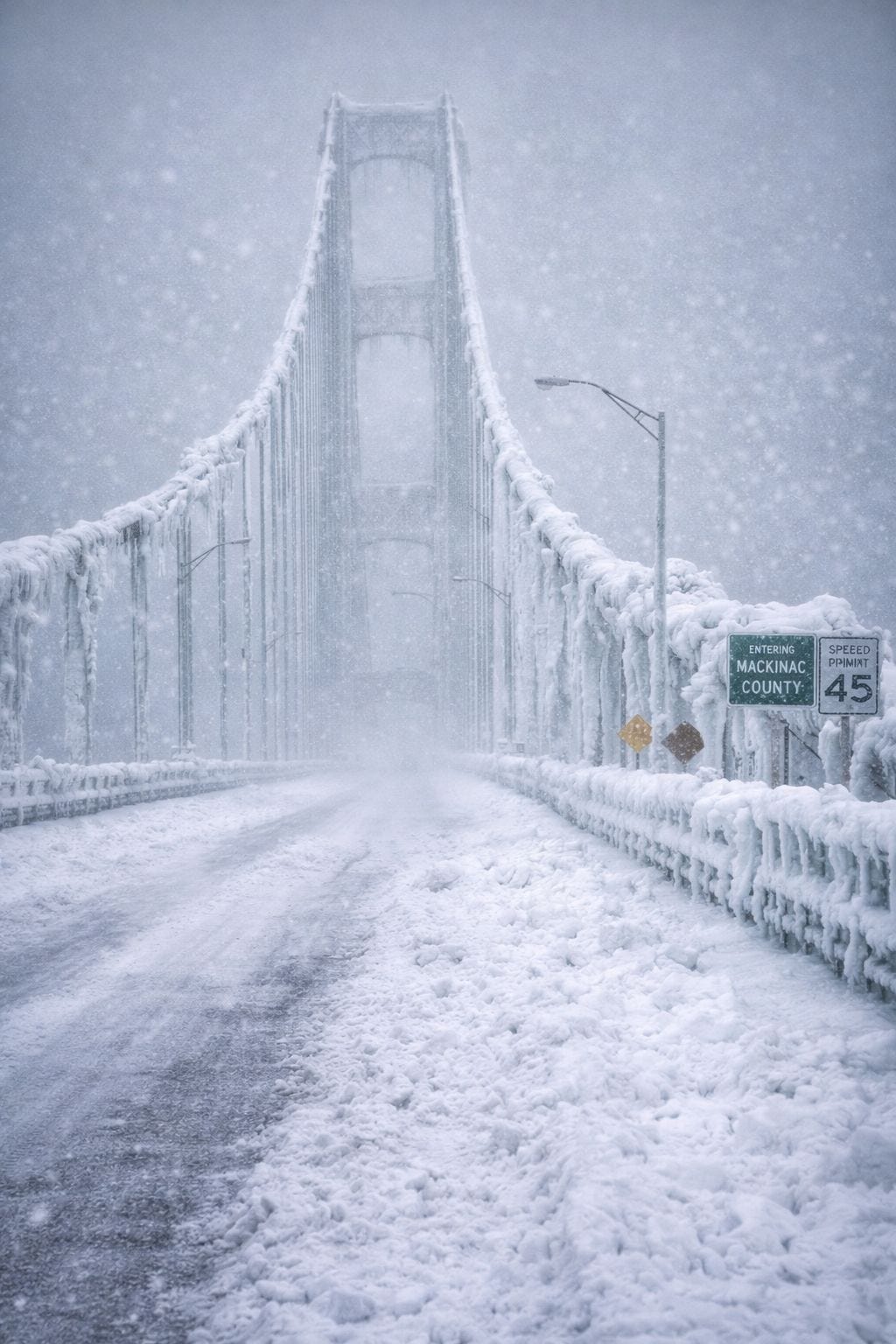
Photo Credit: Michigan Roots Facebook
The “Human Grid” in Action: 4 Stories of Local Strength
1 Ryan DuVal, a local business owner in Tulsa, didn’t wait for city transit to reach the vulnerable people stranded by the storm. He took his vintage firetruck out onto the ice-slicked streets to act as a one-man rescue squad.
“I just saw a need for getting people out of the cold. You know, just cruise the streets, see someone, offer a ride... I can at least warm them up in the truck and just get them a water, meal, something. It’s just giving back to the community like everybody should do.” — Ryan DuVal, Tulsa Resident (Source)
2 In Nashville, the local Brown’s Diner lost power. Rather than letting their inventory spoil while waiting for the grid, they turned the crisis into a community feast.
“Brown’s Diner is having a parking lot cook out today... They’re without power and their food is likely to go bad... so they’re giving it away. They’re also accepting donations for the employees who can’t earn a living... Any of you who need something warm in your bellies should stop by.” — Community report from Nashville Mutual Aid (Source)
3 Thomas Thomason sought refuge at a Red Cross shelter after losing power, but once he arrived and saw the need, he transitioned from “victim” to “steward.”
“I am here because this feels like I am giving back in a sense. People come here because they don’t have people to look out for them. It’s like a sense of community being here and being able to help those who can’t help themselves at times like these.” — Thomas Thomason, Volunteer (Source)
4 In Tennessee, online community boards became hubs for real-world action. Neighbors began offering up their own homes as “Energy Islands” for those with life-threatening needs.
“We took in our neighbor who had a very fresh baby and have hosted several others who needed a warmup, as well as having friends over for hot showers after four days with no power. Thankful for working gas fireplaces and a gas stove!”— Anonymous Neighbor, Tennessee (Source)
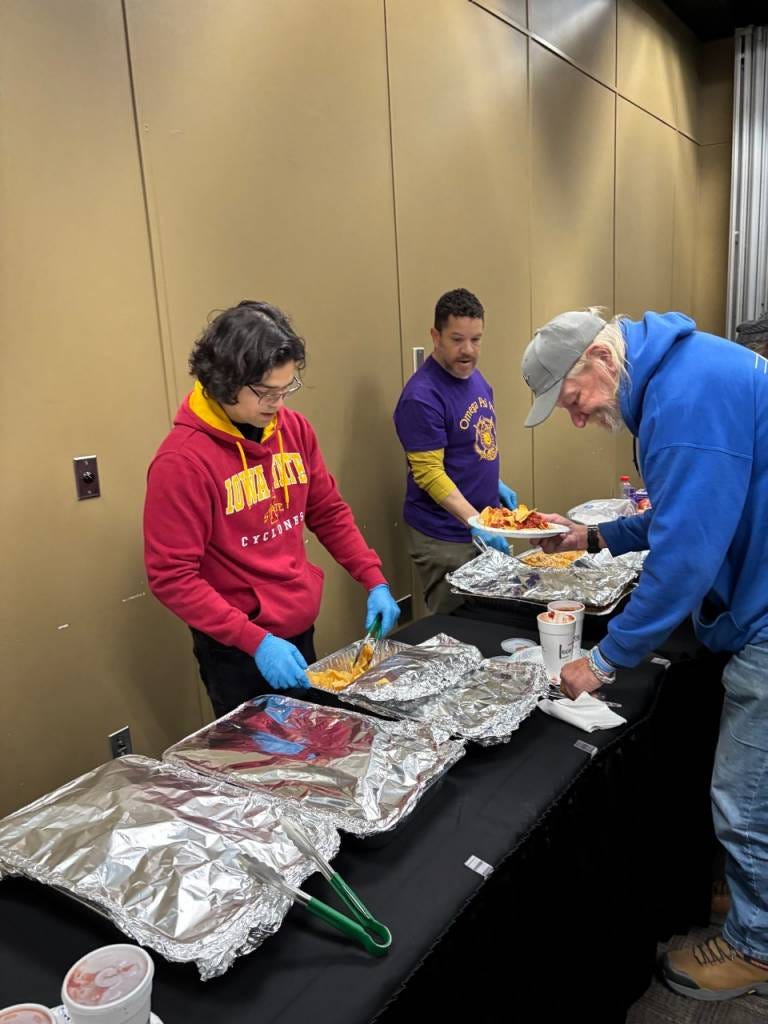
Photo Source: RedCross
These stories aren’t just feel-good anecdotes; they are powerful testaments to the indomitable human spirit and the blueprint for social regeneration. They are functional replacements for failed infrastructure. Every time a neighbor shares a sourdough loaf, a chainsaw, or a generator, they are practicing Social Regeneration—rebuilding the trust and capacity that the modern world has stripped away.
As we face increasingly intense political, economic, social, and environmental crises – from extreme weather to economic instability and social fragmentation – our reliance on centralized, often fragile, systems become a dangerous gamble.
When the grid fails, when supply chains break, when the official channels are overwhelmed, it is the person next door, the local mutual aid network, the community garden, and the shared skills within our immediate vicinity that will get us through. Imagine the resilience we would have it this was proactive; if the local support systems were intentionally built to support communities to not just survive these events, but truly thrive. This is why the work of the Regenerative World Quest is vital. It’s about rebuilding trust, fostering collaboration, and recognizing that our collective well-being is intrinsically linked to the health of our local ecosystems.
Here are four simple, yet profound examples of how regenerative living can be more resilient for all systems (economic, infrastructure, social, governance etc.)
Systemic Redundancy & Decentralization: Unlike centralized grids that suffer “cascading failures” (where one pipe or wire failing takes down a whole city), regenerative systems favor decentralized resource flows. This means energy, water, and food are managed by multiple, interconnected local actors, making the whole system much harder to “break.”
Consider Public Power vs. Mutual Aid: While 1.4 million people lost power due to the brittle, centralized grid, the “Human Grid” (people like Ryan DuVal or the staff at Brown’s Diner) restored dignity and safety in hours, not days.
The “Sponge” Effect: Scientific studies on regenerative agriculture and “Sponge Cities” prove that healthy, organic-rich soil can absorb and retain significantly more water. This prevents the flash flooding and soil erosion that often follow extreme freezes, while also insulating underground pipes from temperature swings.
Adaptive Capacity: Research published in Ecology & Society argues that community identity and “memory work”—the shared knowledge of how a neighborhood survived past crises—are the strongest predictors of how quickly a community will recover from a disaster.
Building a life around regenerative principles isn’t just an environmental choice—it’s a survival strategy for a world where “business as usual” is increasingly failing. In a world of accelerating change, the most ‘fit’ are those who fit best—those most adaptable to their environment.
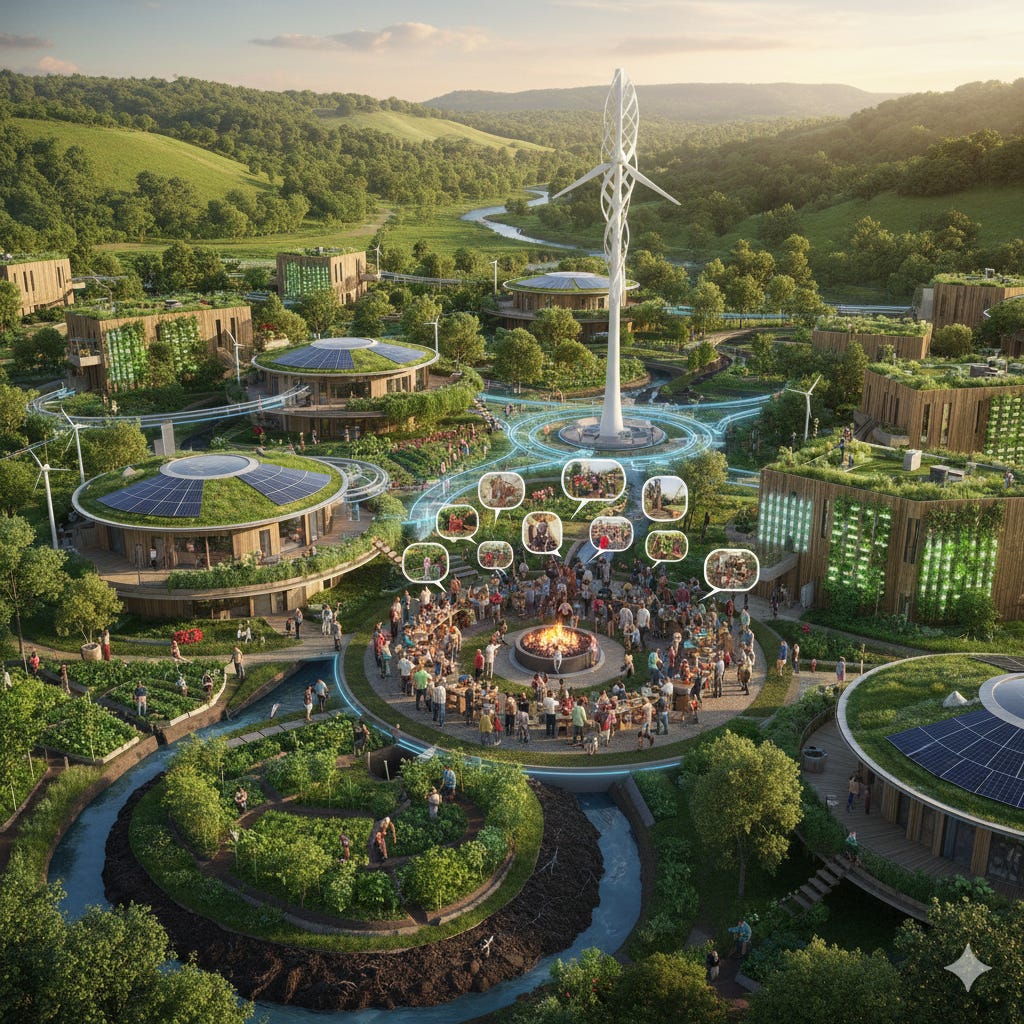
When we contribute to the health of the whole community, we aren’t just being altruistic; we are building the very safety net that will catch us when the centralized systems fail. That is what The Regenerative World Quest is all about. When you know how to harvest your own water, grow food in a community garden, or organize a neighborhood check-in, you are no longer a victim of a failing grid. You are a node in a living, breathing network that keeps the lights—and the hearts—on.
Follow along @The Regenerative World Quest (we are on Instagram, LinkedIn, Facebook and YouTube)! Reach out to collaborate!
Love and Light,
Brenna

Well said, Brenna. Thanks for powering the WRQ and bringing it all home to us.
Great Vision. Let's all realize this together. Love