
Sharing Sunshine from Hawaii
How Hawaii's Ahupua'a System is a model for Regenerative Tourism

I know, I know—the news is dim. The headlines are heavy, the world feels increasingly unstable, and “good news” can feel so rare it’s almost suspicious. Maybe a glimmer of hope even pisses you off because it feels vapid or naive. Well, if that’s you, then you definitely need to read this for your own mental health.
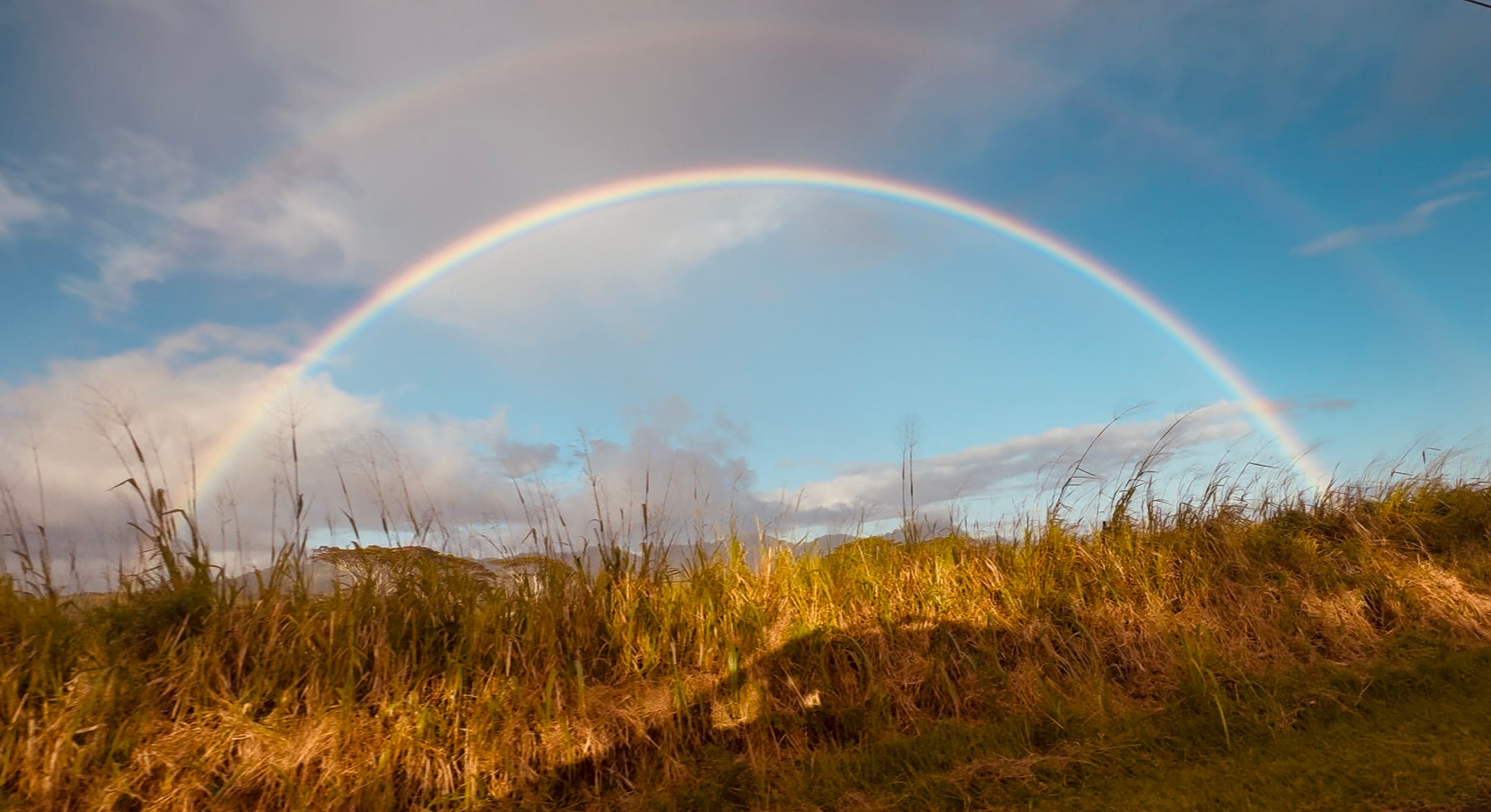
For just a few minutes, set down the doom scroll, turn off the notifications, and escape to paradise with me. Let’s head to Kauaʻi to see how ancient solutions are flipping modern problems upside down and YES that is a real double-double below:))
The Ahupuaʻa: A Blueprint for Thriving
Imagine a system of governance where status and wealth were measured by the health of the people and abundance of the land; a system that is self-renewing and replenishes life by way of its design. This is regenerative.
Far from a historical curiosity, the ahupuaʻa is a living testament to regeneration. In the traditional Hawaiian world, land was divided into wedge-shaped sections extending from the mountain (mauka) to the sea (makai). Each division encompassed an entire watershed, creating a self-sustaining ecosystem.
Before Captain Cook arrived in 1778, estimates suggest these islands supported upwards of a million people with zero outside inputs. In 2026 there are around 1.44 million people in Hawai’i and 90% of the food is imported. Similar population size, drastically different governance system. One replenishes and heals to create more abundance. The other extracts and exploits to create financial wealth for a few while the health of people and planet plummet.
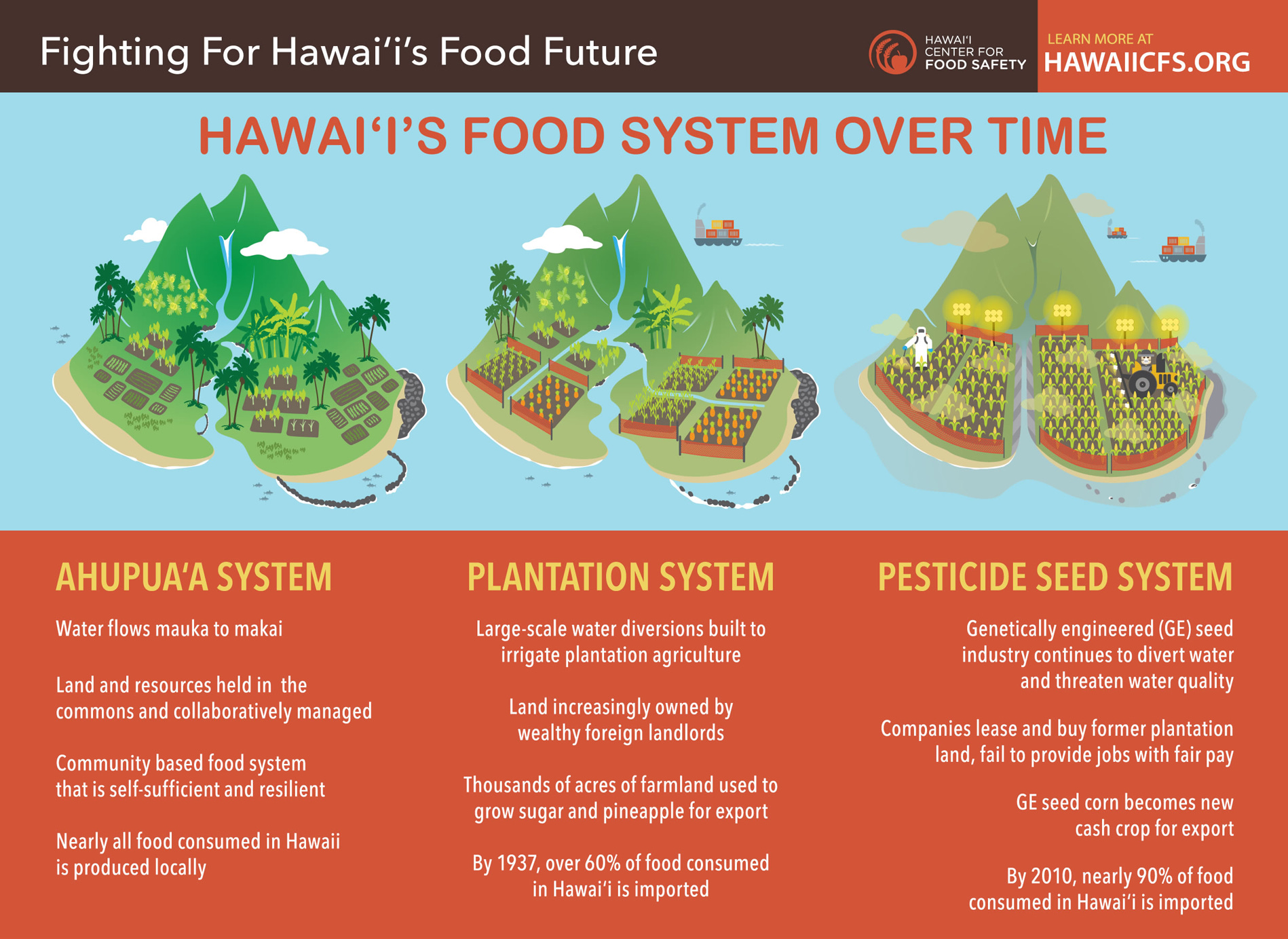
The ahupuaʻa isn’t just a “nice idea”—it’s proof of what is possible when we work with the land rather than against it. Here are a few examples:
Resource Cycling: Hawaiians understood that everything was connected. Rainwater from the mountains nourished kalo (taro) in irrigated terraces (loʻi), creating nutrient-rich water that flowed downstream to feed fishponds (loko iʻa) at the coast. One area’s “waste” was another’s lifeblood.
Community Stewardship: This wasn’t just about geography; it was a social contract. Each community had a vested interest in their section, knowing their actions impacted everyone else from the peaks to the reefs. This is the heart of kuleana (responsibility).
No Waste Mentality: The concept of “trash” was foreign. Everything had a purpose—from plant fibers used for crafts to the meticulous management of marine life to prevent overfishing. It was a closed-loop system in action.
Cultural Connection: Land wasn’t property; it was ʻohana (family). This spiritual bond ensured that decisions were made for the long-term health of the land, not short-term profit.
Regeneration in Action: Hui Makaʻainana O Makana
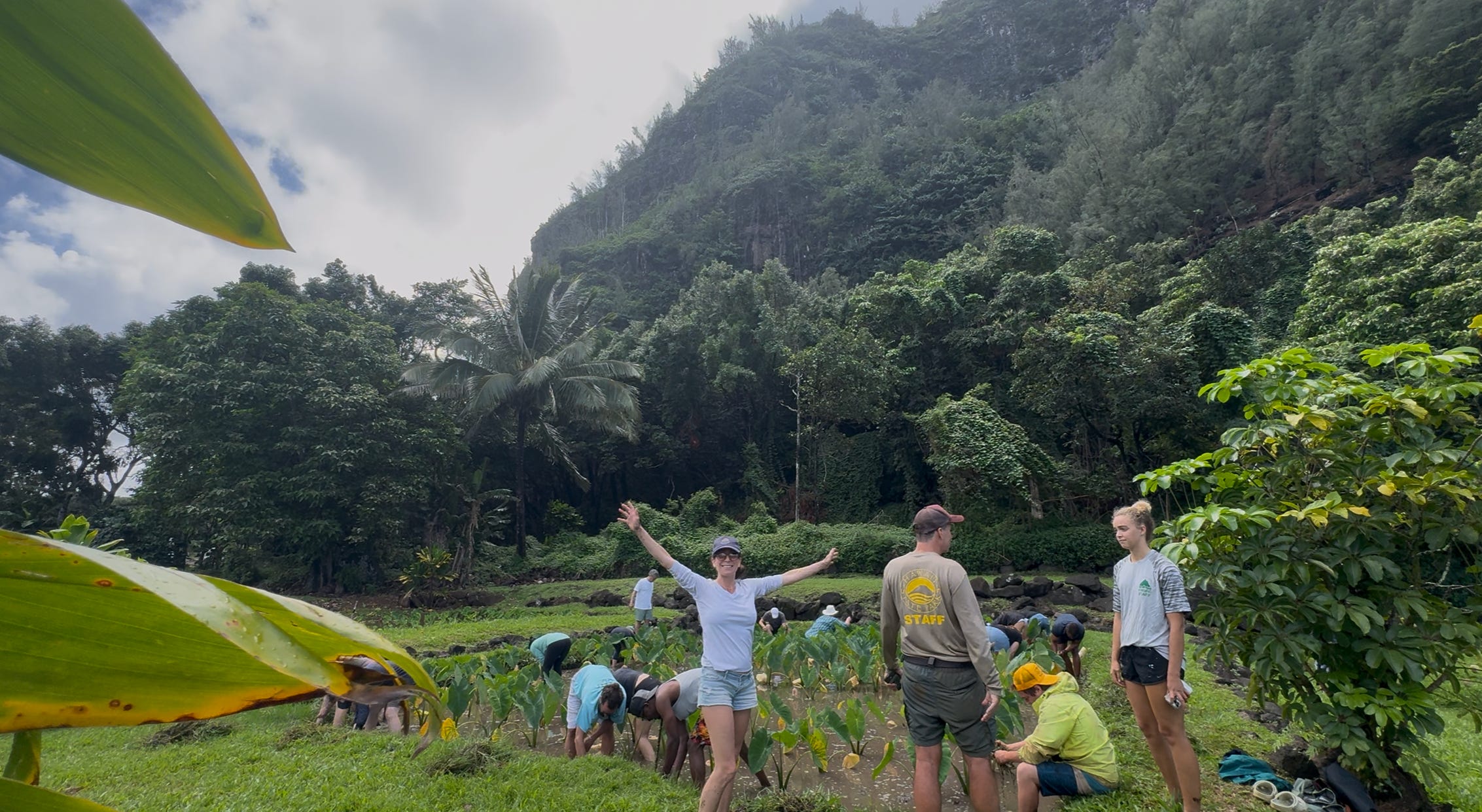
It is one thing to romanticize about the Hawaiian Islands pre colonization, but how are these practices working today? On the North Shore of Kauaʻi, this spirit is going strong! Legend says Hāʻena Point is where the first Polynesians arrived on the islands. Today, it is one of the last intact ahupuaʻa left, thanks to the tireless work of Hui Makaʻainana O Makana.


I had the great honor of spending time with this group in 2022 and again in 2025 to see regeneration in action firsthand. They did the impossible: they flipped an extractive, “unmanaged” tourism model—where the land was being trampled by 3,000 visitors a day—into a regenerative one.
Restoring the Flow: They are bringing back ancient ʻauwai (irrigation) and loʻi kalo. This doesn’t just grow food; it restores freshwater flow, replenishes aquifers, and filters water before it hits the coral reefs.
Marine Resource Management: Through community-led efforts, they are implementing rules for fishing and gathering, ensuring the health and abundance of marine life for future generations. This mirrors the mauka-makai connection, recognizing that healthy land leads to healthy seas.
Cultural Revitalization: Their work is deeply intertwined with revitalizing Hawaiian culture, language, and traditional knowledge, strengthening the community’s connection to their land and heritage. This is the heart of true regenerative practice – nurturing both people and place.
Circular Economics: Before the Hui took over stewardship, the area was plagued by illegal parking and zero maintenance funds. Now, 100% of the funds from tours and parking go directly back into the land’s stewardship—not into the pockets of distant hotel chains.
The Transformation at Common Ground
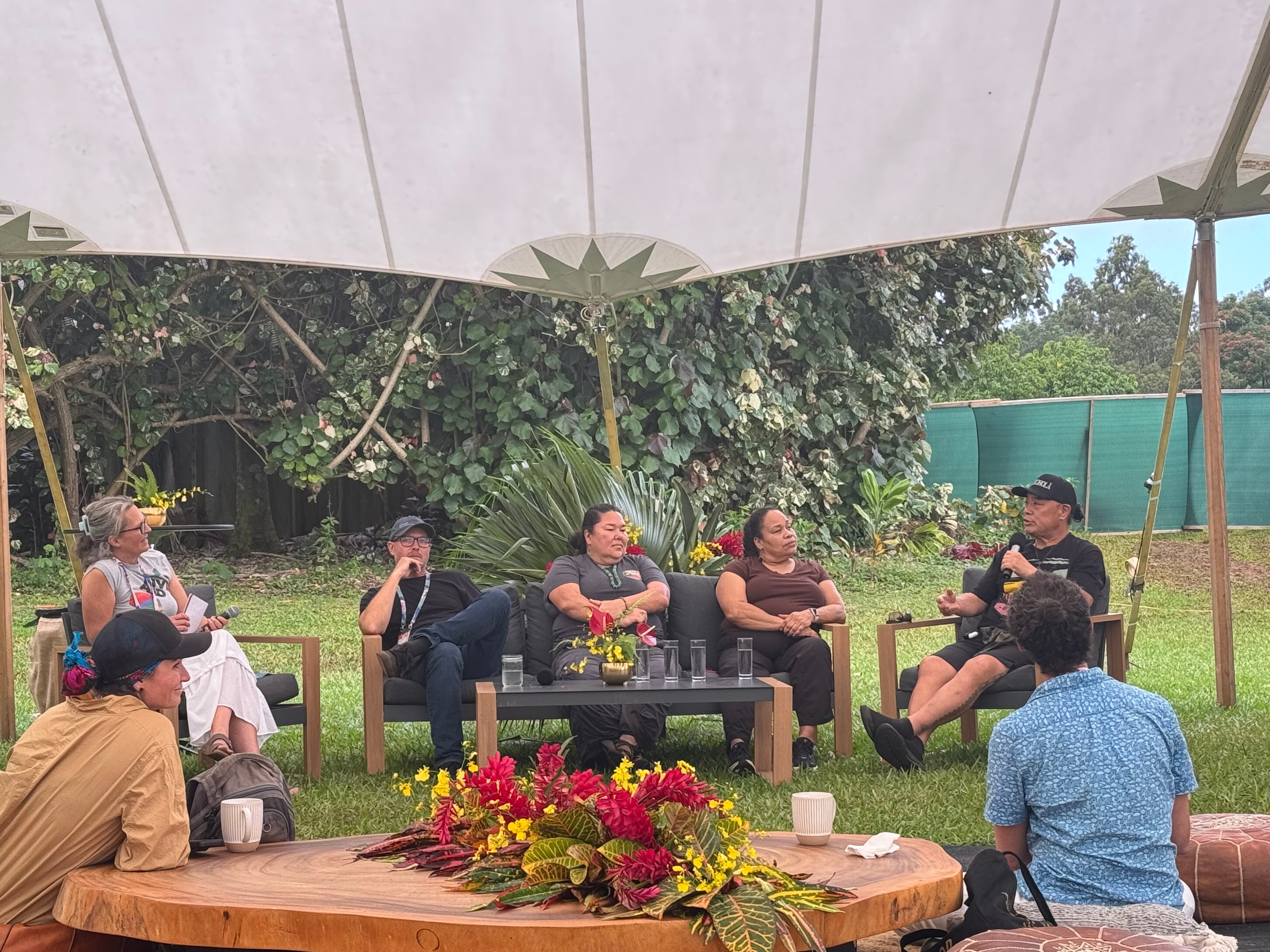
Before you go, I want to give you one more real life and current day example of regeneration in action: Common Ground, also on Kauai’s North Shore. For several days I broke bread with regenerative and indigenous leaders from across the globe sharing stories of problems and solutions from home, swapping ideas, inspiring hope and conspiring for collective action! The conversations and connections were transformational all nested in a beautiful demonstration site for regenerative tourism.
Here is a short video about Common Grounds- (check out our YouTube Channel and don’t forget to like and subscribe)
Here are a few of the key highlights:
Land Restoration & Food Production: Situated on a former monocropped plantation, Common Ground is transforming the land into a thriving agroforestry system, producing food for guests and the local community. This restores soil health, increases biodiversity, and reduces reliance on imported goods, mimicking the productive capacity of an ahupuaʻa.
Community Integration: They actively partner with and support local organizations like Hui Makaʻainana O Makana. Guests are invited to engage with the land and culture, not just observe it. This fosters a deeper understanding and appreciation, turning tourism into a force for good.
Beyond Net-Zero: Regenerative hospitality aims to leave a place better than it was found. This means not just minimizing negative impacts but actively creating positive ones – regenerating ecosystems, empowering local communities, and enriching cultural experiences.
Educational Experiences: Common Ground offers immersive experiences that connect guests to the land, the food they eat, and Hawaiian culture, inspiring a shift in perspective from passive consumption to active participation in regeneration.
A Path Forward
The ahupuaʻa system provides the blueprint we so desperately need. It teaches us about the profound interdependence of all things. By embracing these principles, organizations like Hui Makaʻainana O Makana and Common Ground are shaping a future that is resilient, equitable, and vibrant.
The future of travel isn’t just about sustainability—it’s about active regeneration. It’s about leaving every place we touch better than we found it. For that vision, we can look to the enduring wisdom of the ancestors.
Now instead of going back to the countless scroll, pause a beat and imagine what the world would be like if it was governed in right relationship with people and place, just like the ahupuaʻa. Then carry this light with you for the rest of the day. It was possible once and we can find balance again. As the Hawaiians know…it starts with each new breath.
Until Next Time… With Love from the Quest!
Brenna
P.S. don’t forget to like, share and comment! So many of you email or text me after reading….thank you! And also engage here please!
We are active on: Instagram, LinkedIN, Facebook and Youtube- all under the Regenerative World Quest
Beautiful dear Brenna
Have you connected with Glenn and Marion Head?They are massive community builders on Kauai and highly connected. If you are still there, you would thoroughly enjoy meeting.
Marion Head(303) 995-3738
Love and light to you and the family
John and Margo
🌍💜🦋
Thanks for this first-hand report, Brenna. Wish I could have been there with you.